Varietal selection
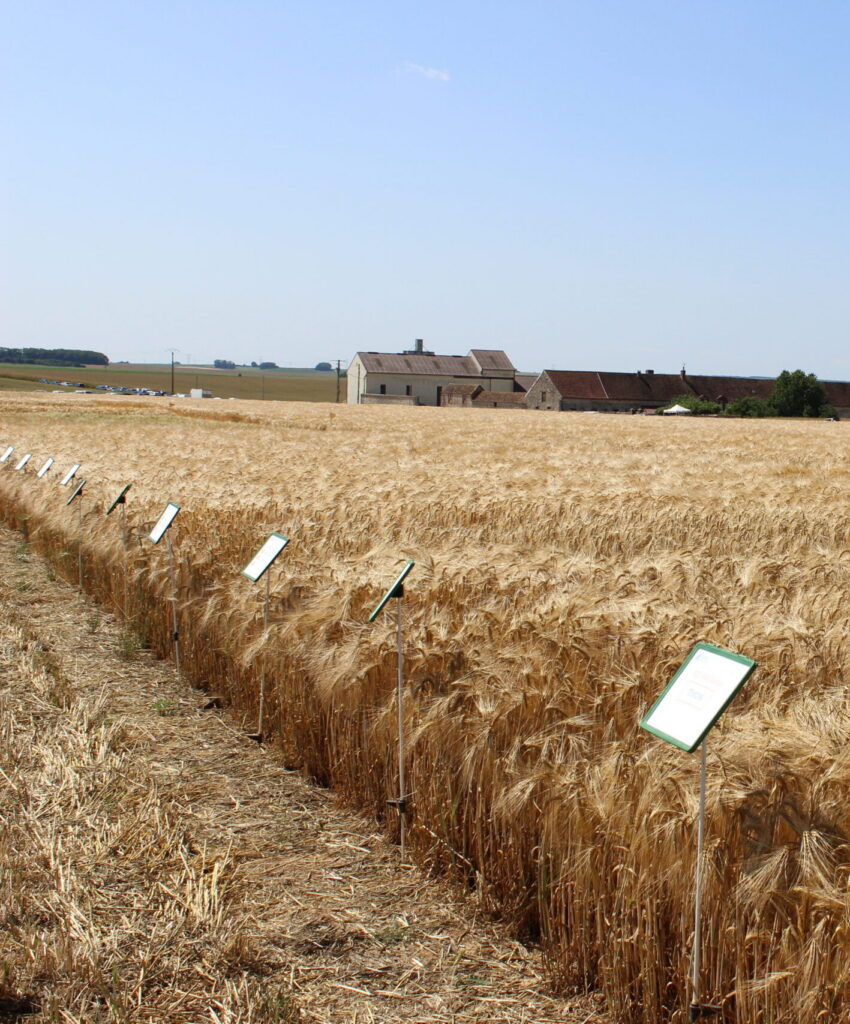
We select and deploy barley varieties adapted to local soils and climate risks, balancing agronomy, quality and resilience.
The future of malt depends on healthy soils, resilient ecosystems and thriving farming communities. What sets us apart is the way we work with farmers, not just as suppliers, but as partners in sustainability.
As the world’s leading maltster and one of the global brands supporting regenerative agriculture at scale, our strength lies in our agronomic expertise and the closeness of our grower relationships. Preparation begins years ahead of operations, as our agronomy teams work alongside growers to establish trust, share expertise and build the strong local supply chains that our business depends on.
Our global agronomy network provides hands-on support, from seed selection and crop rotation to supporting regenerative agriculture practices at every stage of the growing cycle. With a presence in every major malting region of the world, we conduct extensive field trials every year to identify the best barley varieties for local conditions and scale them to meet quality and volume requirements.
Our sustainable barley strategy is based on four priorities:
We select and deploy barley varieties adapted to local soils and climate risks, balancing agronomy, quality and resilience.
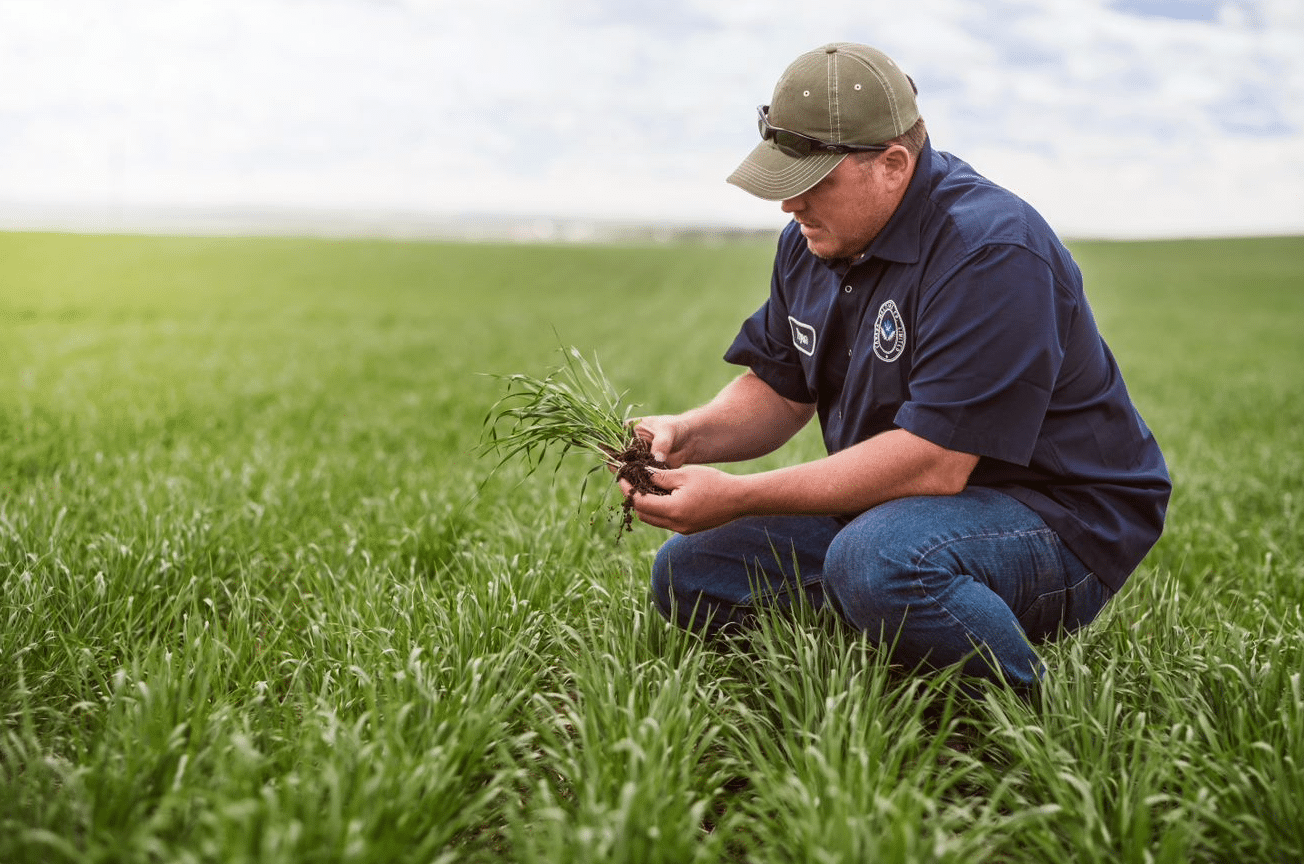
As a company supporting regenerative agriculture, we promote farming in line with the Sustainable Agriculture Initiative’s (SAI) ‘Regenerating Together Framework’. Services include coaching and field support to improve soil health, biodiversity, water outcomes and reduce on-farm emissions.
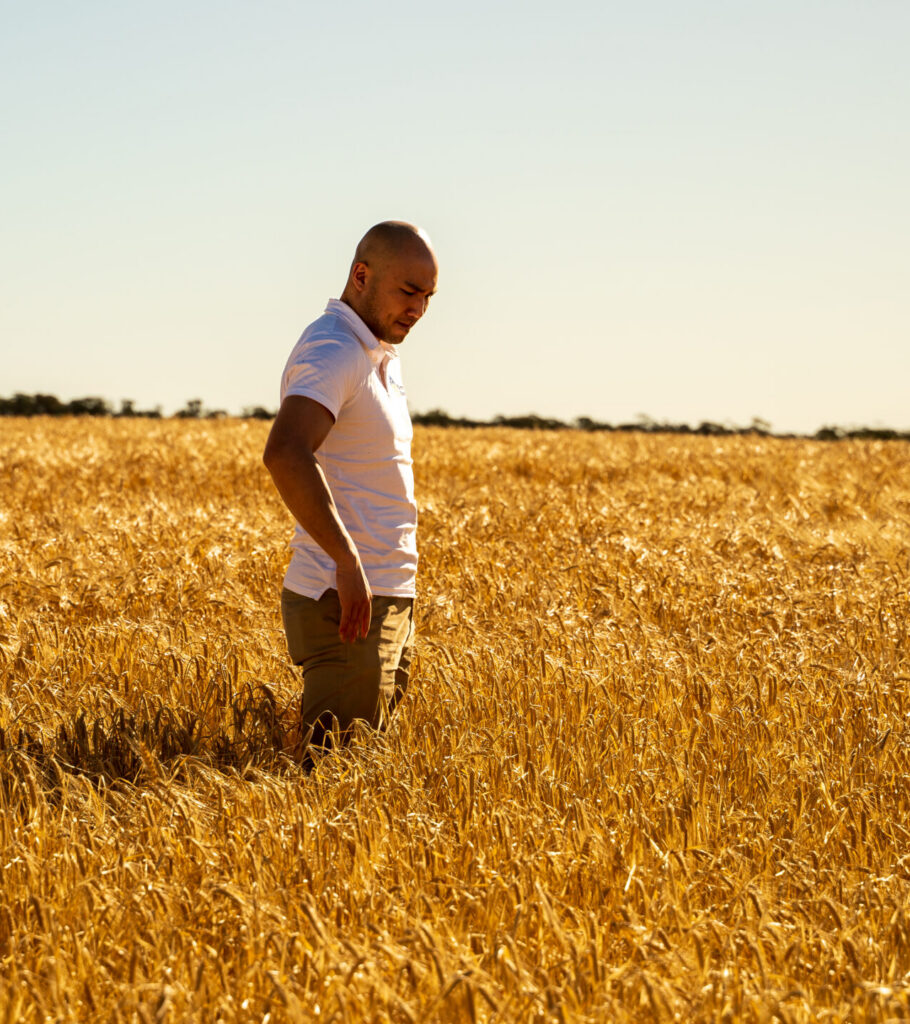
We strengthen traceable, country-level supply chains and rural economies.
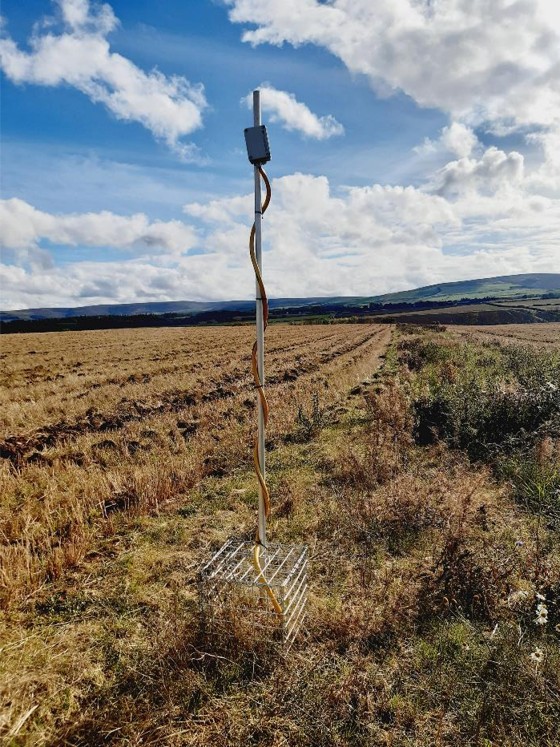
We use digital tools to aid yield estimation, agronomic data collection and monitoring, and the monitoring and measurement of carbon.
Our goal is for 80% of our total barley purchases to be sourced sustainably.
We aim to reduce Scope 3 (FLAG) greenhouse gas emissions related to barley by 30%*.
* Versus baseline fiscal year 2019-2020 | * FLAG = Forest, land and agriculture
Soufflet Malt and Heineken are helping 60 farmers shift to regenerative agriculture.
Read moreVelvet Twilight, a limited-edition beer, is now brewed using ClimTrace, our low-carbon, fully traceable malt from the ClimCare range.
Read moreThrough Brasseries Kronenbourg’s collaboration with Soufflet Malt, one in 10 beers brewed in France are now made with sustainable malt.
Read moreWe are helping shape how regenerative agriculture is defined and applied globally.
Discover how we’re unleashing the power of malt with real stories from around the world.