Decarbonisation
To decarbonise our operations by reducing our Scope 1 and 2 greenhouse gas emissions by 50% by 2030.
* Versus baseline fiscal year 2019-2020
Protecting our natural environment is material to us and is increasingly expected by our stakeholders and society. This sustainability pillar focuses on how we deliver positive environmental outcomes and support our value chain to do the same.
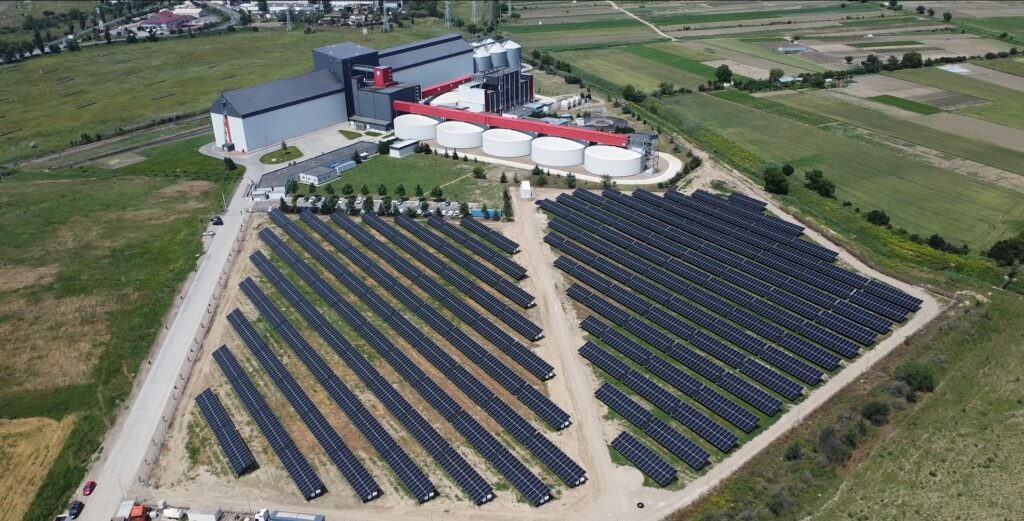
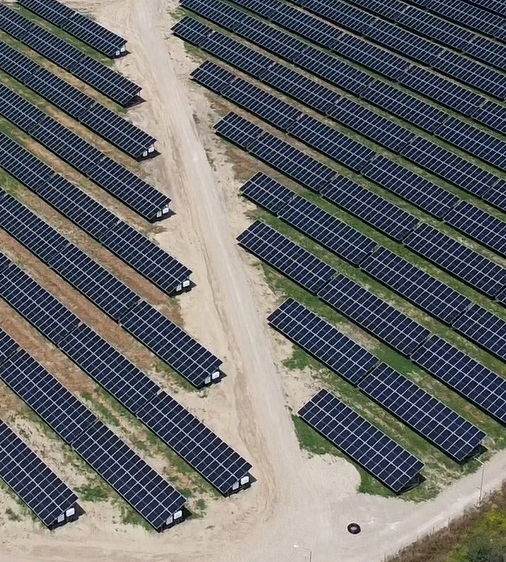
Our strategy to reduce energy-related emissions involves shrinking our direct footprint, increasing our use of renewable energy systems and making sure that emissions that cannot yet be eliminated are managed responsibly. We also continue to invest in technologies such as cogeneration and waste heat recovery that support long-term emissions reductions.
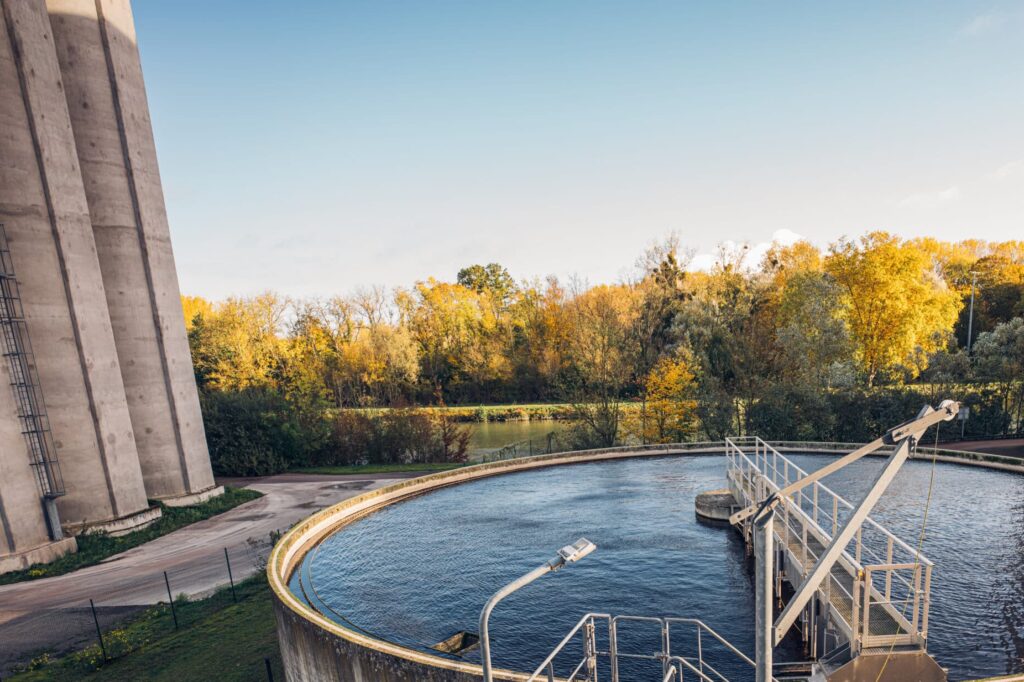
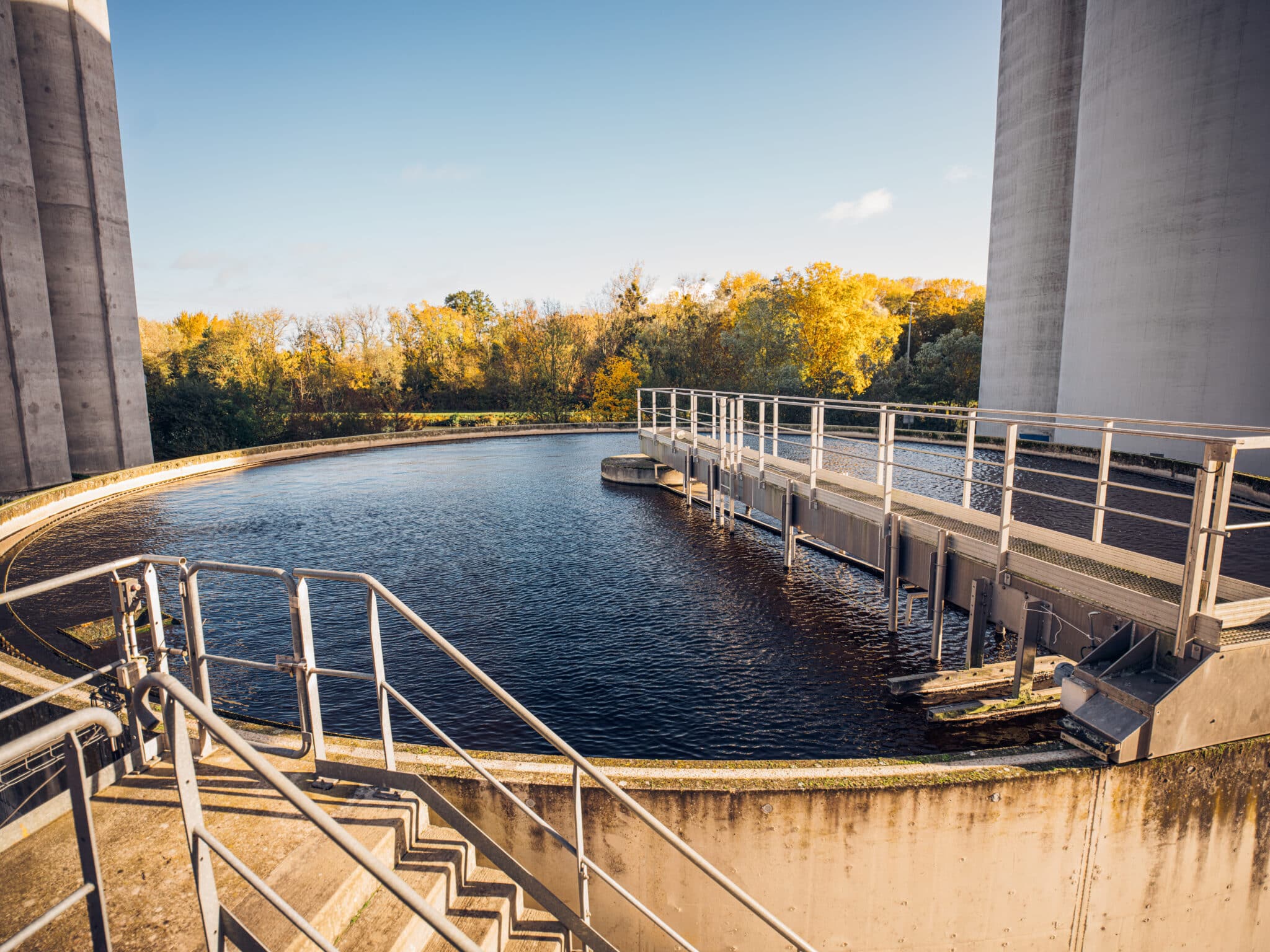
At the core of our water management strategy is a commitment to reduce water intensity while enhancing recovery, recycling and reuse. We also ensure that water discharged from any facility supports rather than harms the surrounding natural environment.
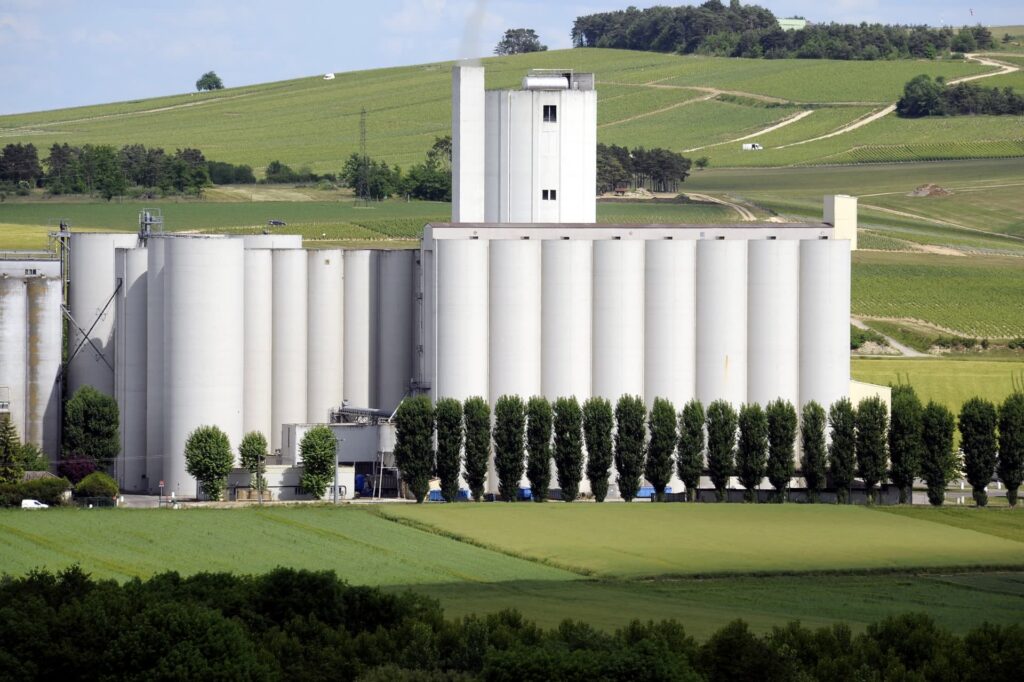
Our waste management strategy is guided by the hierarchy of waste management, which prioritises prevention, reuse, recycling and repair, with disposal as a last resort.
To decarbonise our operations by reducing our Scope 1 and 2 greenhouse gas emissions by 50% by 2030.
* Versus baseline fiscal year 2019-2020
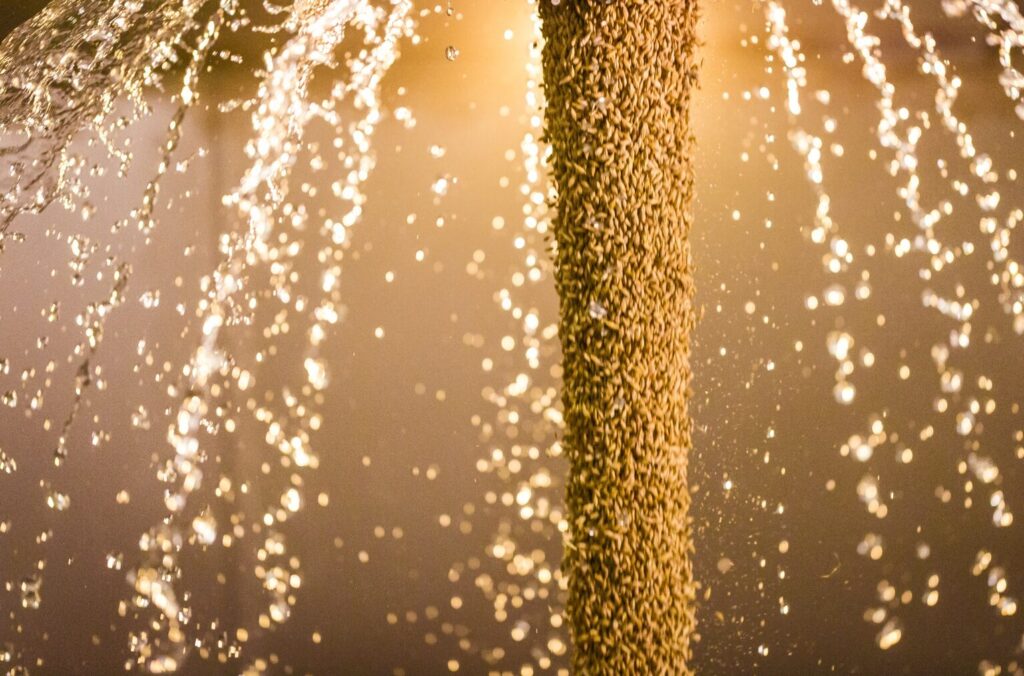
To reduce our water footprint by decreasing consumption by 30% to support resilient operations, communities and the environment.
* Versus baseline fiscal year 2019-2020
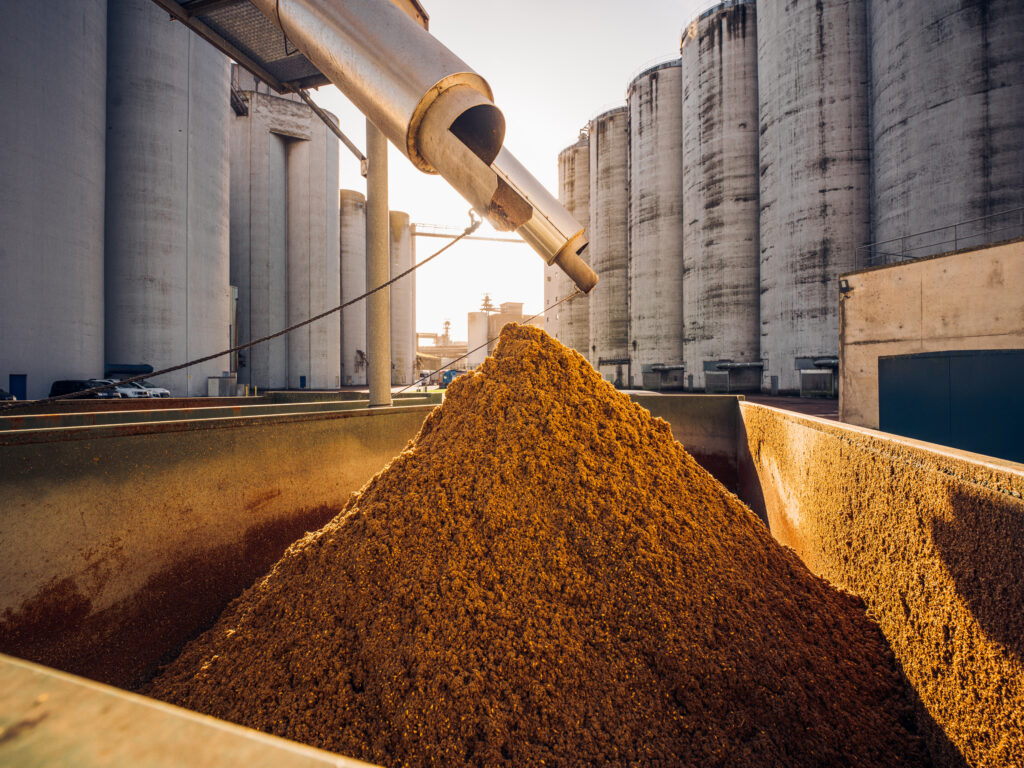
To achieve progress towards 100% waste recovery to eliminate landfill, strengthen circularity and make better use of resources across our operations.
Our climate targets are validated by the Science Based Targets initiative (SBTi), one of the world’s most trusted climate standards for business. The SBTi helps companies set greenhouse gas emissions reduction targets that are aligned with the latest climate science and the Paris Agreement’s goal of limiting global warming to 1.5°C. Our targets were validated in 2025 at the SBTi’s highest level of ambition.
Our Poznań malthouse in Poland earned the Energy Transformation Leader Award at the Polish Climate Congress for its advancements in reducing energy use and CO₂ emissions.
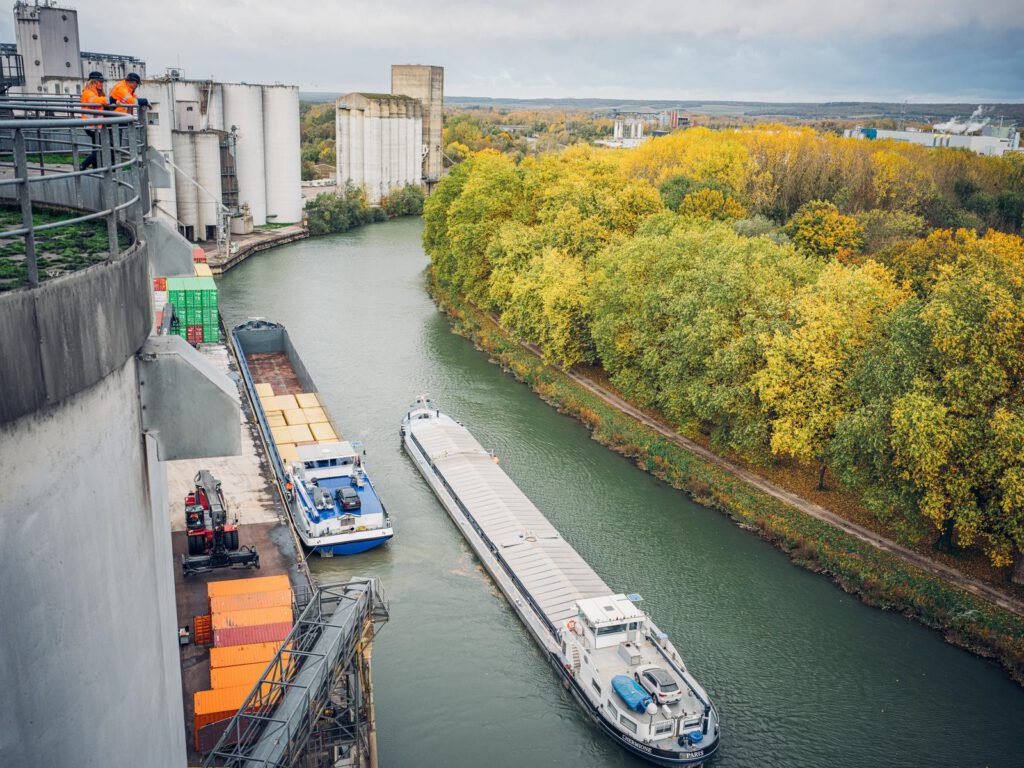
We have unlocked a 250-tonne reduction in CO₂e by shifting a major logistics route between Nogent and Rouen from road to river transport.
Read moreAt our Hodonice malting plant in the Czech Republic, the team asked a simple question: what if we only used one wet period during the steeping process instead of several?
In Brazil, our teams use vermicomposting to convert brewery sludge into a nutrient-rich organic fertiliser, supporting circular waste management and reducing disposal.
Discover how we’re unleashing the power of malt with real stories from around the world.